
In 2024, the Total early-stage Entrepreneurial Activity (TEA) rate in Germany reached 9.8%, marking a significant increase of approximately 25% compared to the average of the previous three years. This finding, highlighted in the latest GEM Germany National Report, indicates a strong rebound and renewed interest in entrepreneurship across the country.
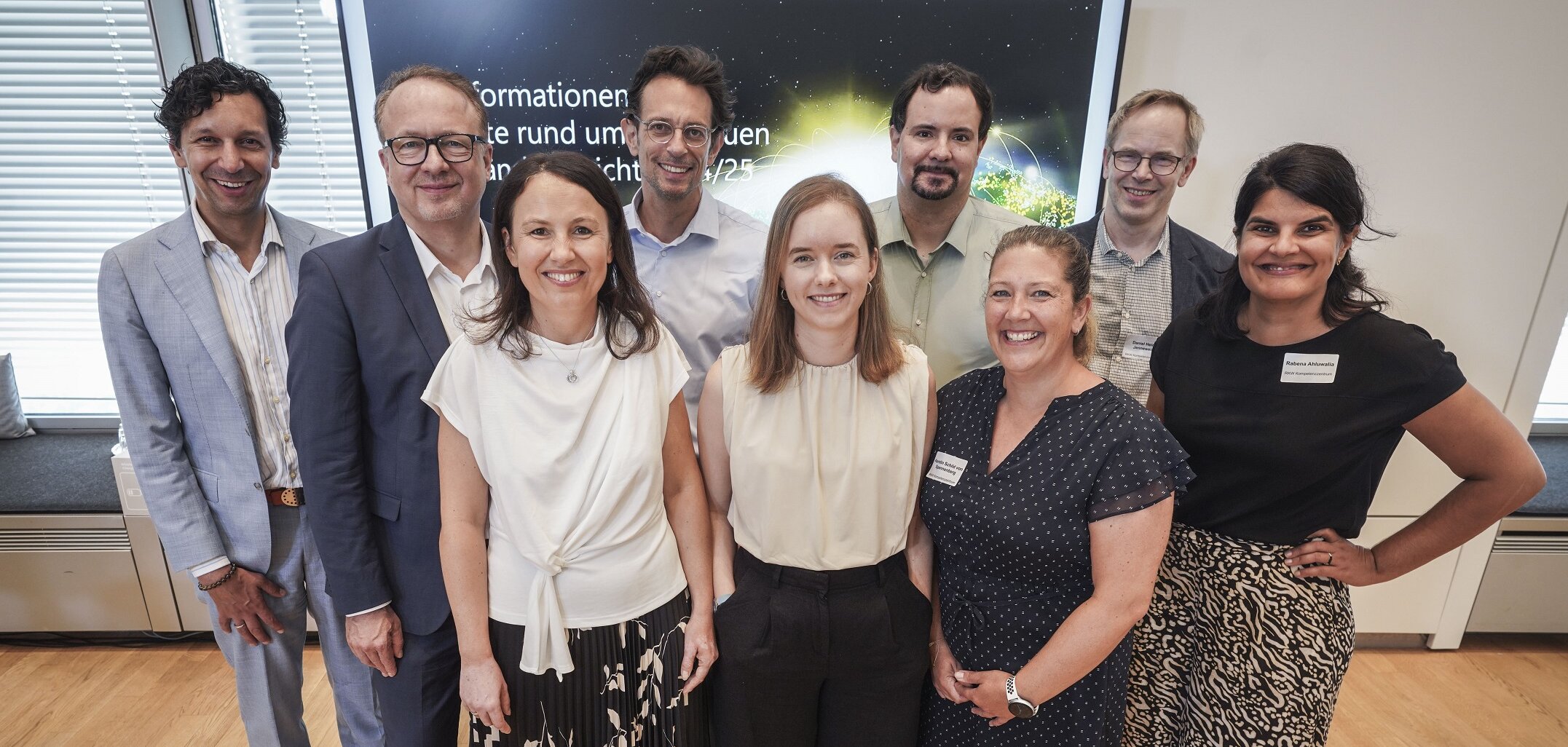
The report was launched at Commerzbank in Frankfurt. There were over 80 in-person guests – including entrepreneurs, ecosystem supporters, academics, and policymakers – and 120 online participants. The event began with a keynote from Umut Sönmez, State Secretary for Economic Affairs of the state of Hesse. Participants also took part in several workshops exploring core GEM themes, including female entrepreneurship and migrant entrepreneurship.
The gender gap in entrepreneurship has narrowed. The TEA rate among women reached an all-time high of 8.5%, compared to 11.0% for men. This results in a ratio of 77 female founders for every 100 male founders.
“This progress reflects growing inclusivity and increased support for female entrepreneurship in Germany,” noted the report authors: Florian Täube, Christian Hundt, Natalia Gorynia-Pfeffer, Christian Bergholz, Julia Schauer, Armin Baharian, and Matthias Wallisch.
Entrepreneurs with an immigration history show higher levels of entrepreneurial activity than those without. The TEA rate with immigration history stands at 12.5%, compared to 9.5% without. Within the immigrant history group, men are more likely to start businesses than women, continuing a trend observed in previous years.
Entrepreneurship is particularly high among young adults. The 25–34 age group has a TEA rate of 16.5%, making it the most active demographic in the start-up scene. Since 2019, start-up activity in this age group has increased by roughly a third, emphasising its critical role in driving innovation and new business creation.
Education continues to be an important factor in entrepreneurial activity. Nearly 44% of TEA entrepreneurs in Germany hold a university degree. They are followed by 19% who have completed vocational, master craftsman, or technician training, and 14% with in-company vocational qualifications.
“This reflects a diverse educational background among founders, though higher education still plays a leading role,” noted the authors.
Public attitudes towards entrepreneurship reveal both confidence and caution. About 41% of the population believe they have the skills to start a business, and 42% perceive good local opportunities. However, 49% of respondents report a fear of failure, which remains a significant psychological barrier to founding new businesses.
Motivations for starting a business are varied but primarily driven by economics. The main incentive for early-stage entrepreneurs is the pursuit of high income and prosperity (65%). Other key motives include lack of alternative employment (52.5%), followed by making a difference in the world (45.2%), and continuing a family tradition(26.3%). This mix of necessity and opportunity reflects a broad entrepreneurial mindset.
In terms of innovation, around 11% of early-stage entrepreneurs in Germany operate in medium- or high-tech sectors. This positions Germany in the upper-middle range internationally, signalling a healthy, though improvable, level of technology-driven entrepreneurship.
Sustainability is becoming a core value for new businesses. Among early-stage entrepreneurs, 65% report implementing environmental sustainability measures, compared to 55% of established entrepreneurs. Similarly, 62% aim to maximise their businesses’ social impact, while only 47.6% of established entrepreneurs report doing the same. This points to a gap in business priorities between generations of established and new entrepreneurs.
The importance of artificial intelligence (AI) is strongly recognised among entrepreneurs. Approximately 74% of early-stage founders consider AI important or very important to their business. Men tend to rate AI as more relevant than women, and early-stage entrepreneurs show greater interest in AI than established business owners, highlighting a strong forward-looking orientation among newer ventures.
On the National Entrepreneurship Context Index (NECI), which assesses expert evaluations of the entrepreneurial ecosystem, Germany scores 4.7 out of 10, ranking 9th among 23 high-income countries. This places Germany in the middle tier internationally, indicating solid but improvable framework conditions for entrepreneurship.
Finally, urban areas remain the primary hubs for start-up activity. Between 2015 and 2024, the average TEA rate in urban regions was 7.5%, compared to only 5.4% in rural areas.
“This ongoing urban-rural divide underscores the need for targeted support to foster entrepreneurship in less densely populated regions,” the authors concluded.
Download the full report (in German).